

Injection Molding vs. 3D Printing for Small-Batch Plastic Parts: Which Is Better?
When developing a plastic component, choosing how to manufacture it can be just as important as choosing its design. Two common options—3D printing and plastic injection molding— can both play a role in bringing a part to market, but they serve different needs.
For businesses producing smaller quantities, the decision is not always straight forward. Production volume, material requirements, part consistency, lead time, and overall cost can all influence which method makes the most sense. Here’s how to evaluate your options for small-batch plastic manufacturing.
How Does 3D Printing Compare with Injection Molding?
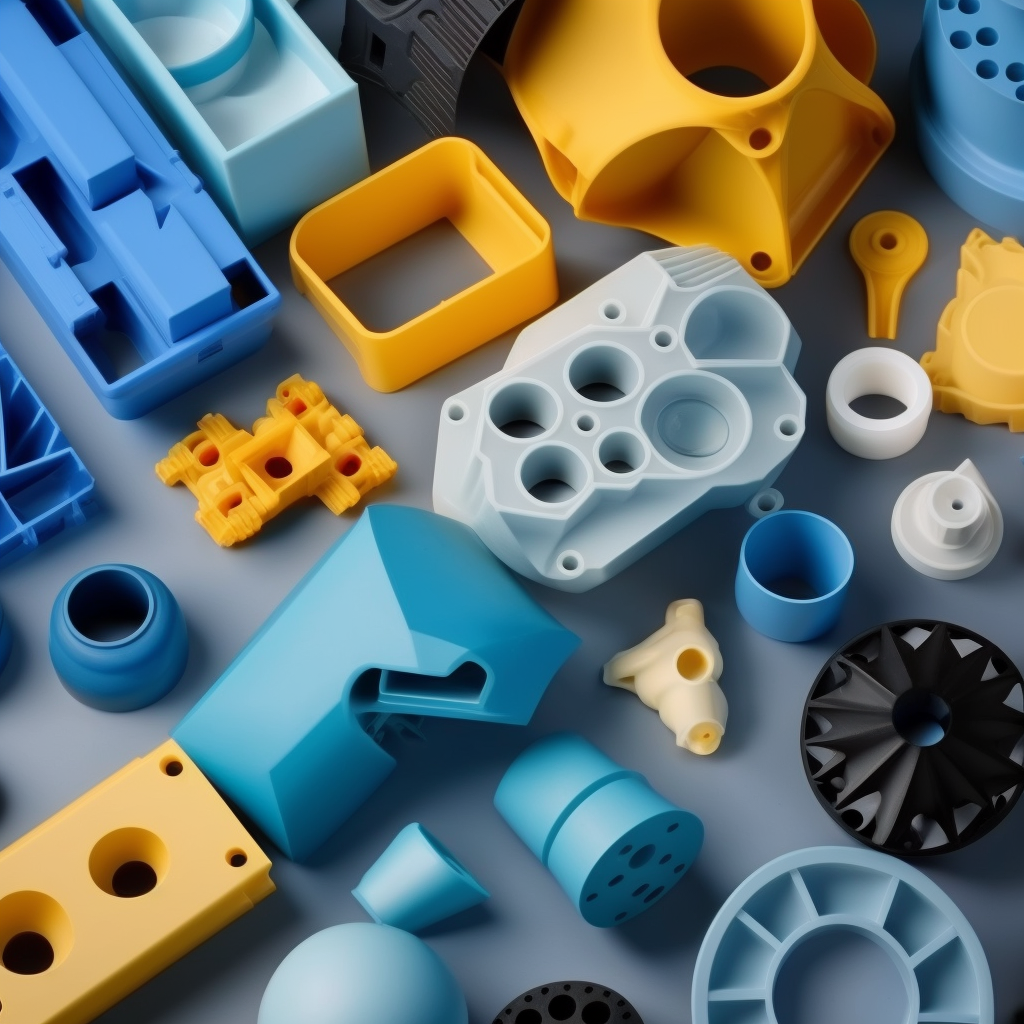
3D printing, also called additive manufacturing, builds a part layer by layer from a digital model. It is often useful for early prototypes, design iterations, and some low-quantity end-use applications. Different printing technologies offer different material and performance options.
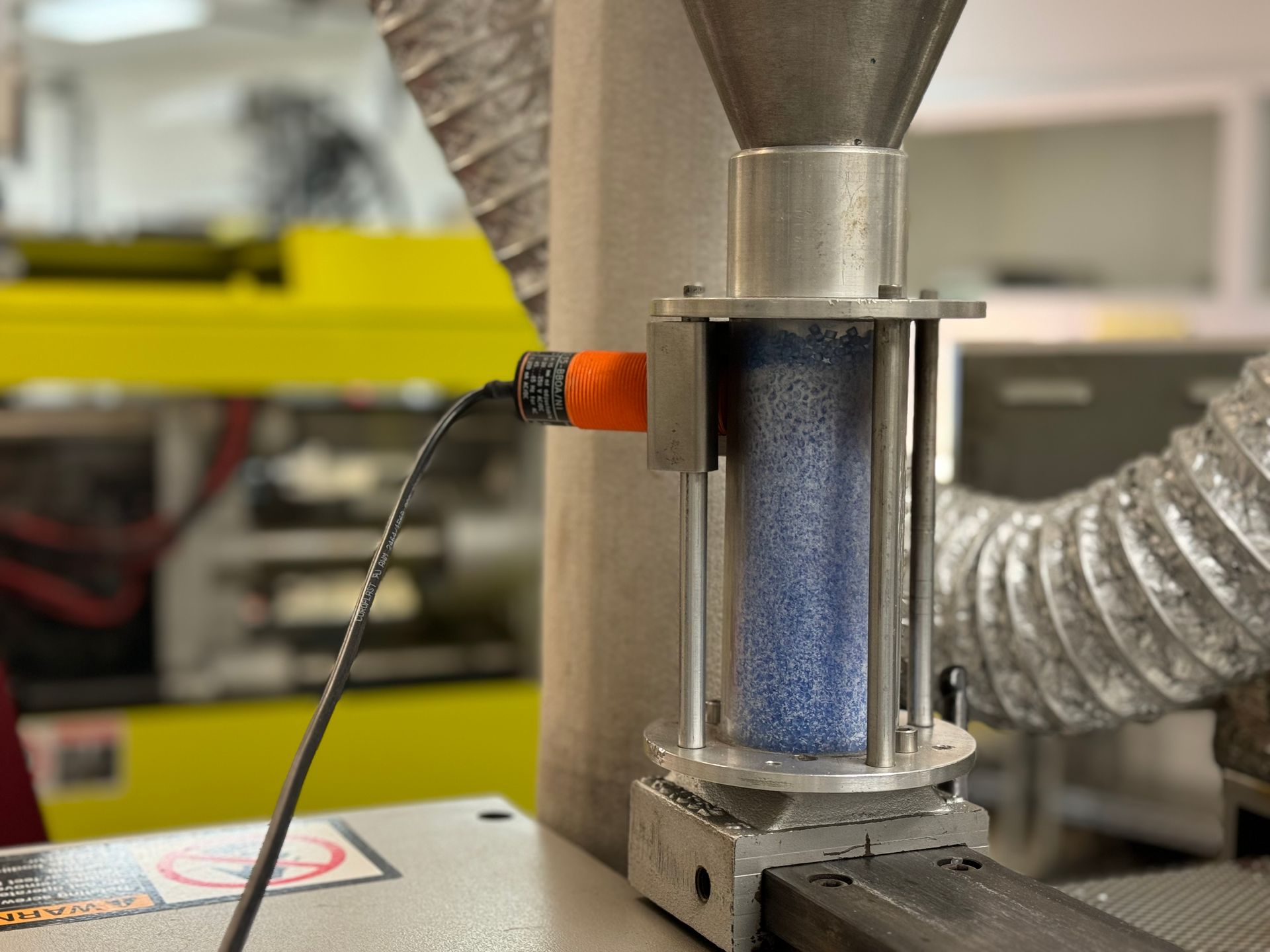
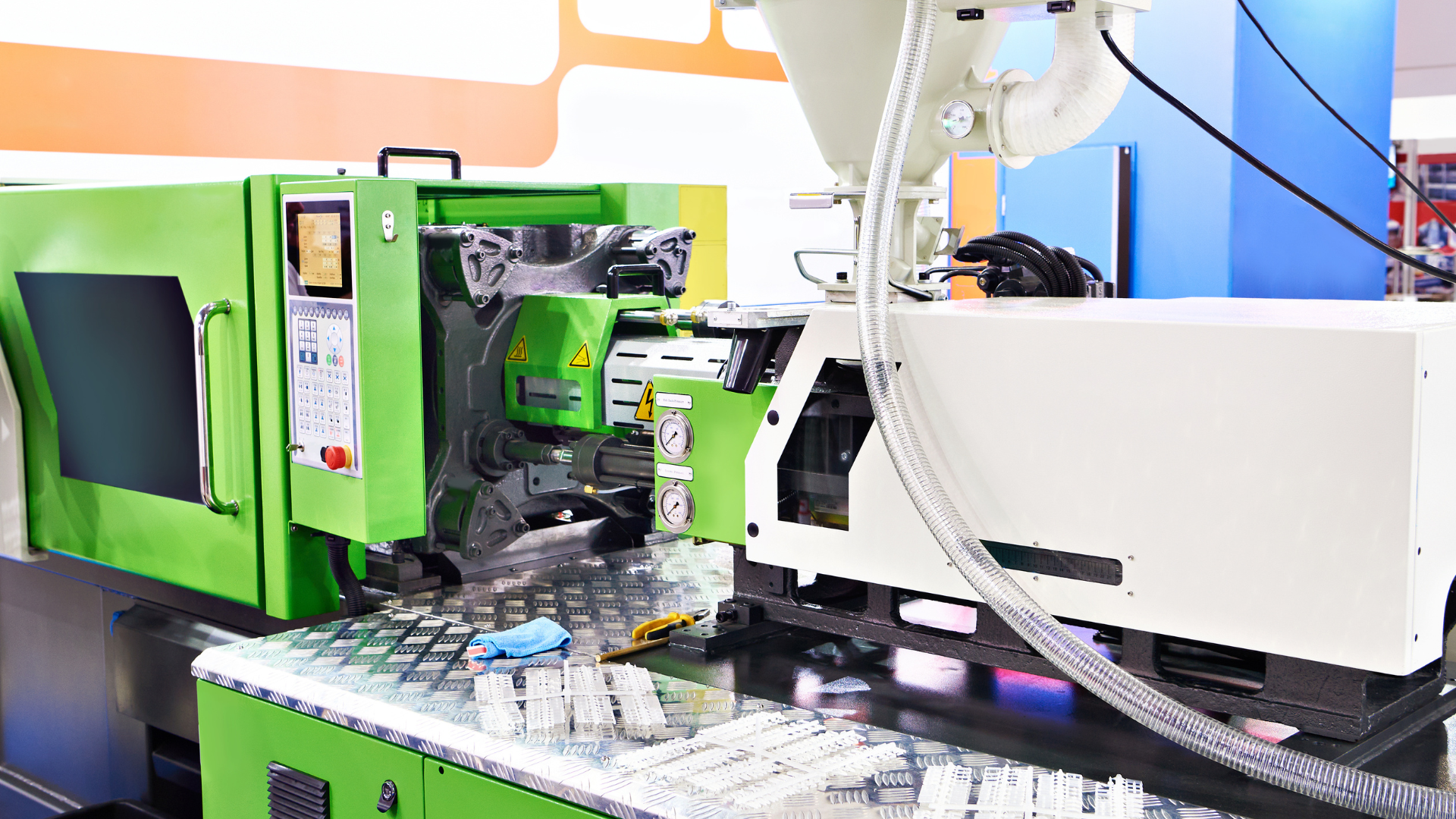
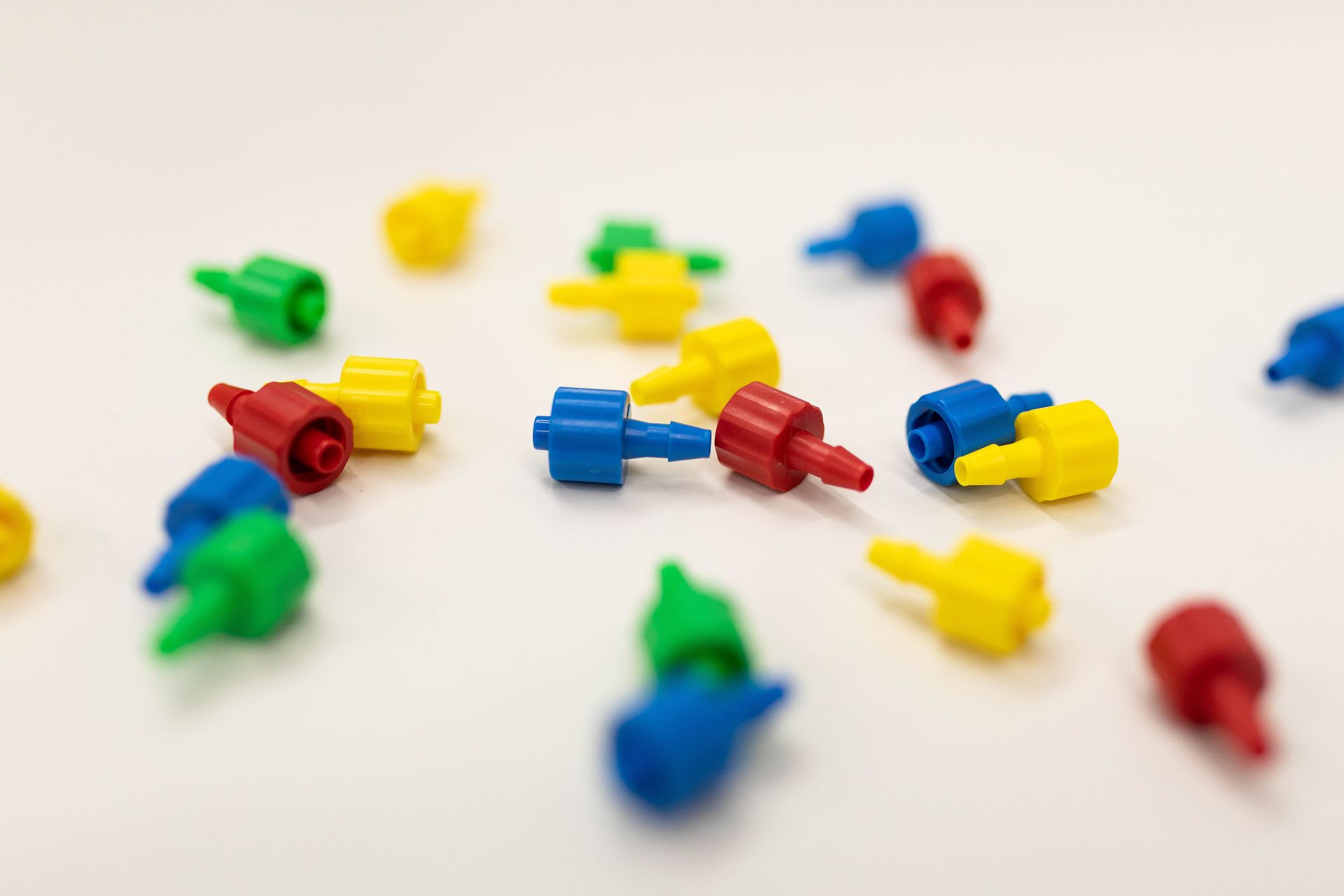
Injection molding produces parts by injecting molten plastic into a mold. It requires an upfront tooling step, but once a suitable mold and process are established, it can produce repeatable components efficiently across a production run.
Neither method is automatically better. The right choice depends on what the part must do and how many you need.
When 3D Printing May Be the Better Fit
3D printing is worth considering when you need to test a design, make frequent revisions, or produce a limited number of complex parts without investing in a mold.
It may be particularly useful for concept models, fit checks, functional prototypes, and specialized parts where geometry or flexibility during development matters more than per-unit production cost.
However, surface finish, tolerances, mechanical properties, and material choices depend on the specific printing process. A printed prototype may not behave exactly like a production injection-molded part.
When Injection Molding May Be the Better Fit
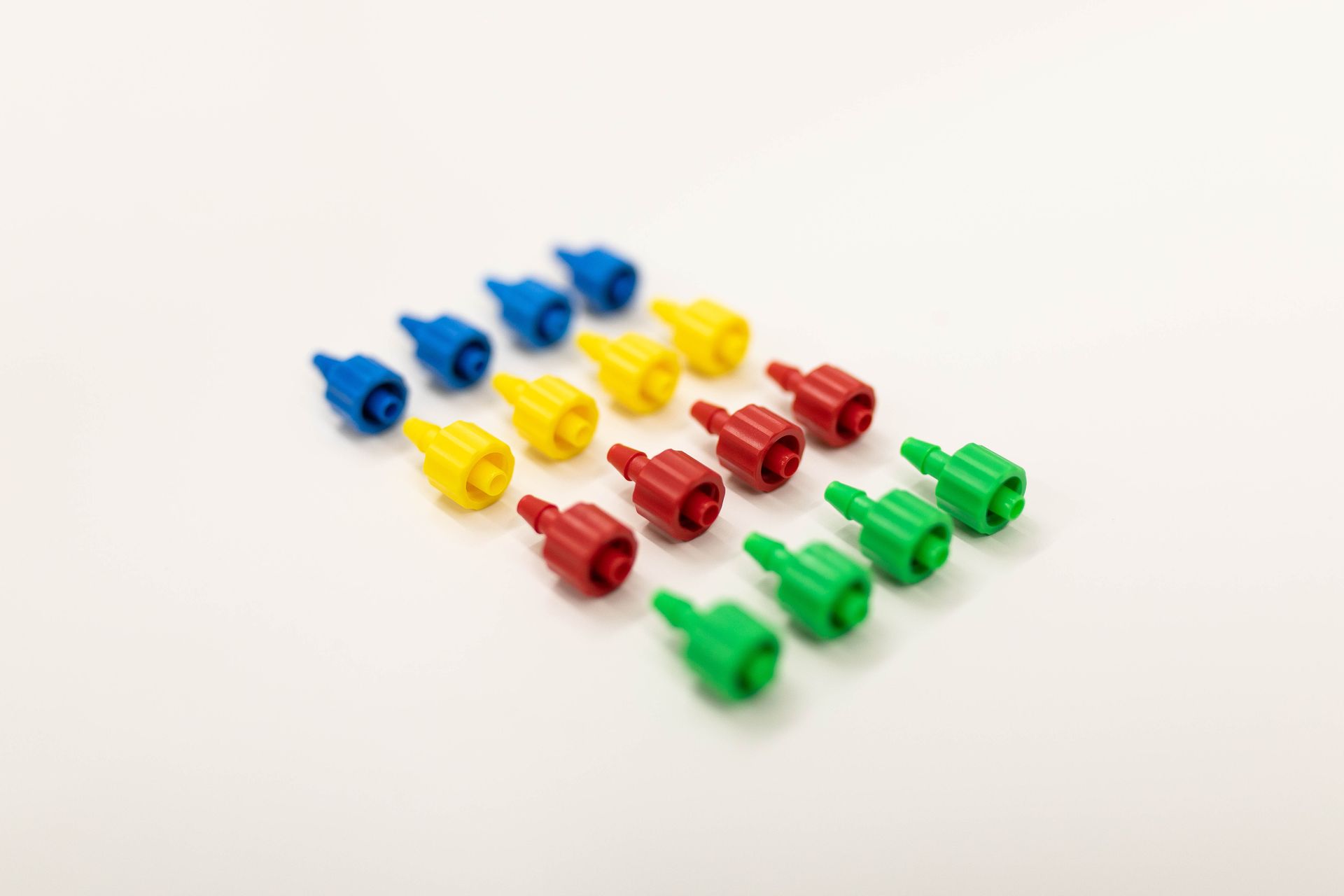
Injection molding becomes attractive when a design is stable and the project calls for consistent, repeatable plastic components. It may also be preferable when the intended resin, appearance, tolerances, or production process is important to the finished part.
Although a mold requires an initial investment, the per-part cost can decrease as more components are produced. For certain projects, low-volume or prototype tooling may make injection molding practical even without a large production order.
An experienced molding partner can help assess whether the anticipated quantity and partrequirements justify tooling.
Five Factors to Compare Before Choosing
- Production quantity.
A handful of prototypes and an ongoing order of hundreds or thousands of parts create very different cost considerations. There is no universal quantity at which one method becomes cheaper. - Tooling and upfront cost.
3D printing generally avoids dedicated injection molds. Injection molding requires tooling, which should be evaluated against expected part volume and future orders. - Material and performance.
Consider strength, wear, chemical exposure, temperature, flexibility, and any application-specific requirements. Available materials and resulting properties vary by process. - Part consistency and finish.
Injection molding can offer repeatable dimensions and finishes once the process is validated. 3D printing can also produce high-quality parts, but outcomes depend on technology, orientation, and post-processing. - Design changes and timing.
3D printing often makes early design revisions easier. Changes after injection mold fabrication may be more involved, so design review before tooling is valuable.
Can You Use Both Methods in One Project?
Yes. Many development workflows use 3D printing to evaluate fit and function before moving to injection molding for production. This approach allows teams to identify design issues before committing to tooling.
It is important to review a prototype for
design for manufacturability (DFM). Wall thickness, draft, undercuts, shrinkage, and material behavior may require adjustments when transitioning from a printed model to a molded component.
Why Small-Batch Manufacturers Should Think Beyond Unit Price
Comparing only the cost of one printed part against one molded part can be misleading. Total project cost may include design revisions, tooling, setup, quality requirements, secondary operations, and repeat orders.
For a one-time small quantity, 3D printing may be more economical. For a stable part with repeat demand, injection molding may offer better long-term value. A project-specific quote is the most reliable way to compare.
Frequently Asked Questions
Is injection molding possible for small production runs? Yes. Low-volume injection molding can be appropriate for some projects, depending on part complexity, tooling strategy, and anticipated quantities.
Is 3D printing always cheaper for small batches? No. It can reduce upfront tooling costs, but total cost depends on material, printing time, post-processing, quantity, and performance requirements.
Can I use a 3D-printed prototype to create an injection mold? A printed prototype can inform the final design, but production tooling generally requires a mold design developed for the chosen part and resin.
How do I decide between the two methods? Start with part drawings or CAD files, expected quantities, material needs, tolerances, and intended use. A manufacturing partner can evaluate trade-offs for your specific project.
Discuss Your Small-Batch Plastic Manufacturing Project
Whether you are testing an early concept or preparing a finished design for production, the right manufacturing approach starts with understanding your part and your goals.
Susquehanna Plastic Injection Molding works with businesses developing custom plastic components, including small-part and low-volume projects. Contact our team to discuss your design, anticipated quantities, and manufacturing requirements, and request a quote.
Share Post
A Trusted Partner for Your Plastic Injection Molding Needs
If your business is looking for a reliable partner for custom plastic injection molding, Susquehanna Plastic Injection Molding is ready to help. From material selection and mold development to prototyping and full production, our team delivers precision, consistency, and personalized support at every stage.
Contact us today to discuss your next project. We proudly serve clients in Harrisburg, Lancaster, York, Mechanicsburg, and throughout Central Pennsylvania and the Mid-Atlantic region.