

From Prototype to Production: How to Prepare Your Plastic Part for Injection Molding
Have an idea for a custom plastic part but aren't sure how to turn it into a finished product?
Whether you're developing a new component, improving an existing design, or preparing to manufacture a specialized plastic part, understanding the process from prototype to production can help you save time, avoid costly mistakes, and make informed decisions.
At Susquehanna Plastic Injection Molding, we work with businesses looking for practical, reliable solutions for custom plastic part manufacturing. From early product development and prototyping to tooling and injection molding, having the right manufacturing partner can make all the different.
Here's what you should know before moving your plastic component into production.
1. Start With a Clear Understanding of Your Plastic Part
Before developing a prototype or investing in injection mold tooling, it's important to understand exactly what your plastic component needs to accomplish.
Consider questions such as:
- What is the part's intended purpose?
- Will it need to withstand heat, pressure, chemicals, or repeated use?
- Does it need to meet specific size or dimensional requirements?
- Will it connect to other components or equipment?
- How many parts will you need initially and over time?
- Are there industry-specific requirements for the finished product?
Having answers to these questions helps your manufacturing partner evaluate the design, recommend appropriate materials, and determine the most practical production approach. You don't necessarily need a fully developed product to begin the conversation. A drawing, existing sample, or preliminary CAD model can provide a useful starting point.
2. Choose the Right Plastic Material?
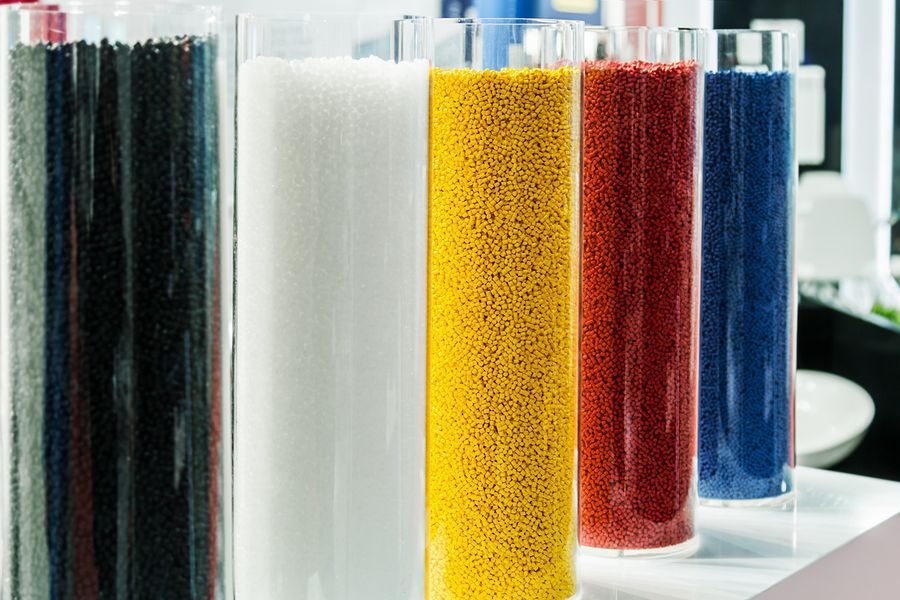
One of the most important decisions in custom plastic injection molding is selecting the appropriate resin. Different plastic materials offer different characteristics, including flexibility, strength, durability, temperature resistance, and chemical resistance. The right choice depends on how the finished component will be used.
For example, a plastic part designed for a medical device may have very different requirements than a component used in industrial equipment or a consumer product.
Common considerations when selecting a plastic resin include:
- Strength and durability:Will the component experience stress, impact, or repeated use?
- Flexibility:Does the part need to bend or maintain a rigid shape?
- Temperature resistance:Will it be exposed to elevated or changing temperatures?
- Chemical compatibility:Could the part come into contact with oils, cleaning products, or other substances?
- Appearance:Are color, texture, or surface finish important?
- Cost and availability:Is the material practical for the anticipated production quantity?
Working with an experienced injection molding manufacturer early in the process can help identify suitable materials before committing to production tooling.
3. Develop and Evaluate Your Prototype?
Prototyping allows you to evaluate a plastic part's design before moving into full production. Depending on the project, a prototype may be created through 3D printing, prototype tooling, or another development method. The goal is to identify potential issues while changes are still relatively easy to make.
What Can Prototyping Help You Evaluate?
Fit and Function
Does the component fit correctly with other parts? Are its dimensions and overall shape appropriate for the intended application?
Design Improvements
Are there areas where the part could be simplified, strengthened, or adjusted to improve performance?
Material Considerations
Does the selected material appear suitable for the intended use? Additional testing may be necessary to confirm performance under actual operating conditions.
Manufacturing Feasibility
Can the part be manufactured efficiently through injection molding, or would adjustments improve the production process?
It's important to remember that a 3D-printed prototype and an injection-molded part may behave differently because of their materials and manufacturing methods. Prototypes are valuable development tools, but they don't always replicate the characteristics of the final production component.
4. Prepare Your Design for Injection Mold Tooling
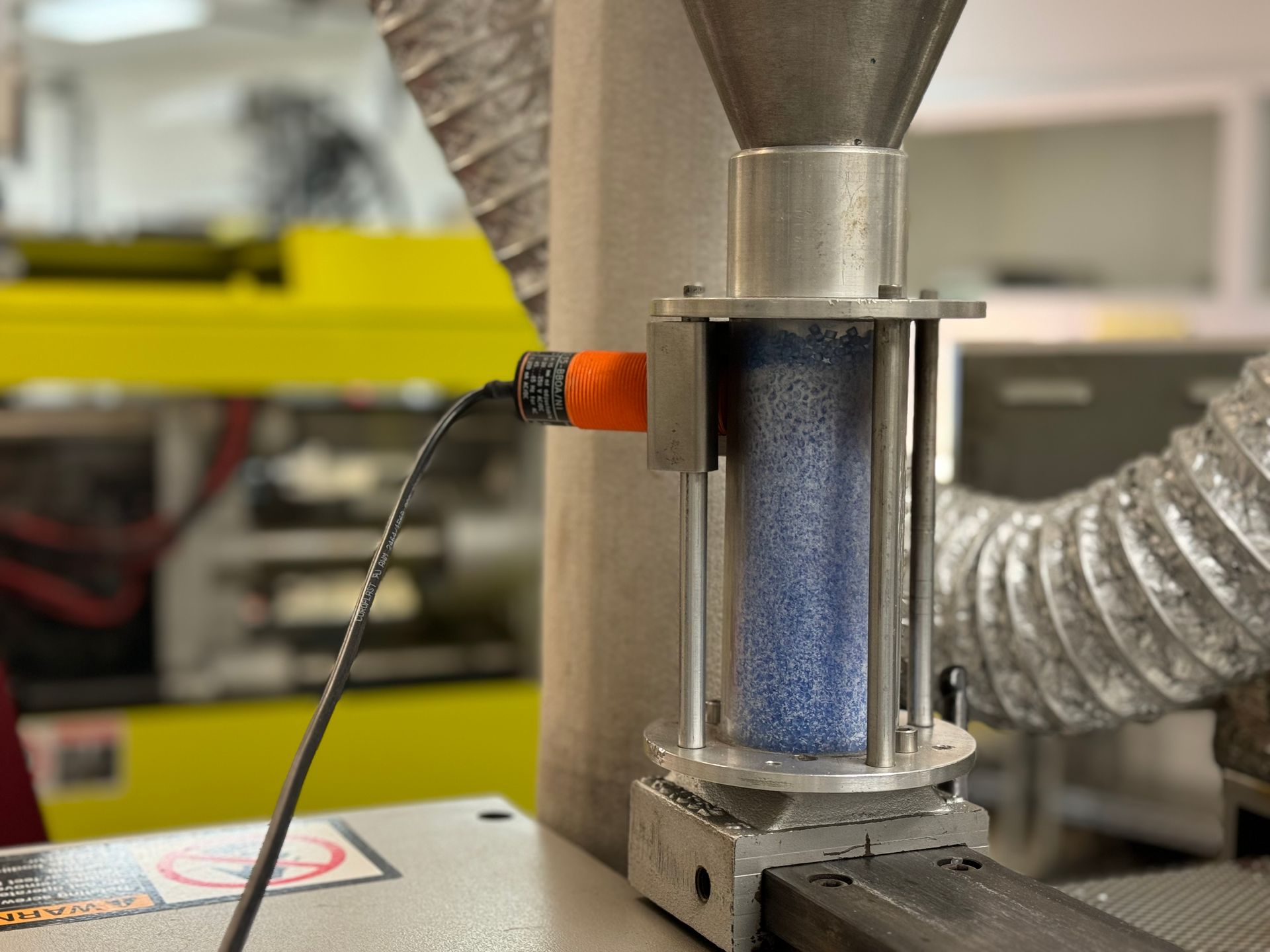
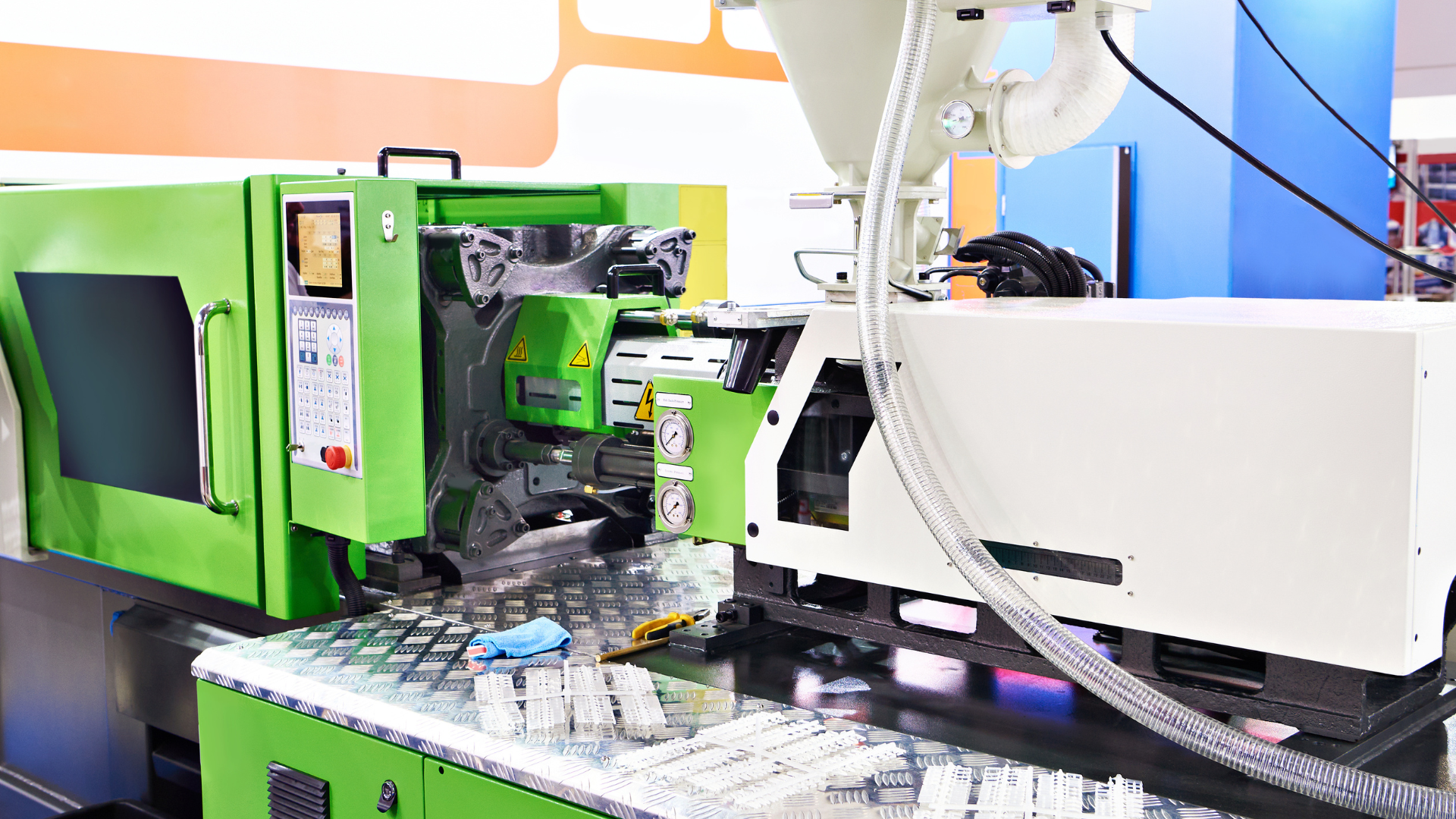
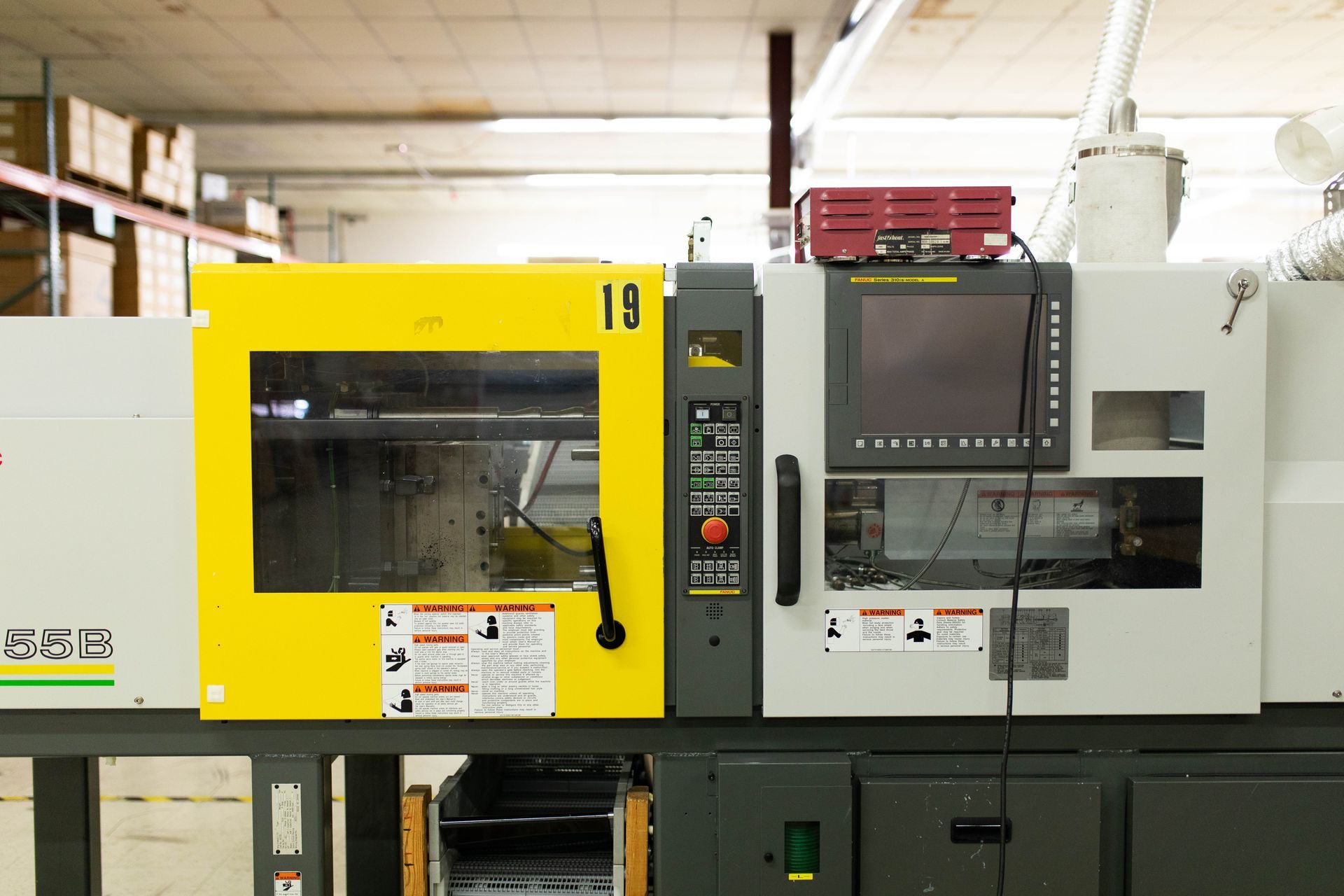
Once a part's design has been evaluated, the next step is determining how it will be manufactured using injection molding. Injection molding involves injecting heated plastic material into a mold cavity, where it cools and solidifies into the desired shape. The mold must be designed to produce consistent parts while accounting for the characteristics of the selected plastic material.
During the tooling process, manufacturers may evaluate:
- Wall thickness: Consistent wall thickness can help reduce certain molding defects and improve part quality.
- Draft angles: Slightly angled surfaces can make it easier to remove a finished part from the mold.
- Undercuts and complex features: Certain design elements may require additional tooling considerations.
- Parting lines: The location where mold sections meet can affect the appearance and function of a finished component.
- Material shrinkage: Plastic materials shrink as they cool, and mold design must account for this behavior.
- Production quantity: Expected manufacturing volume can influence tooling design and investment.
This process is often referred to as design for manufacturability, or DFM.
By considering manufacturing requirements before tooling begins, businesses can reduce the likelihood of expensive modifications later in the project.
5. Understand the Transition From Prototype to Production
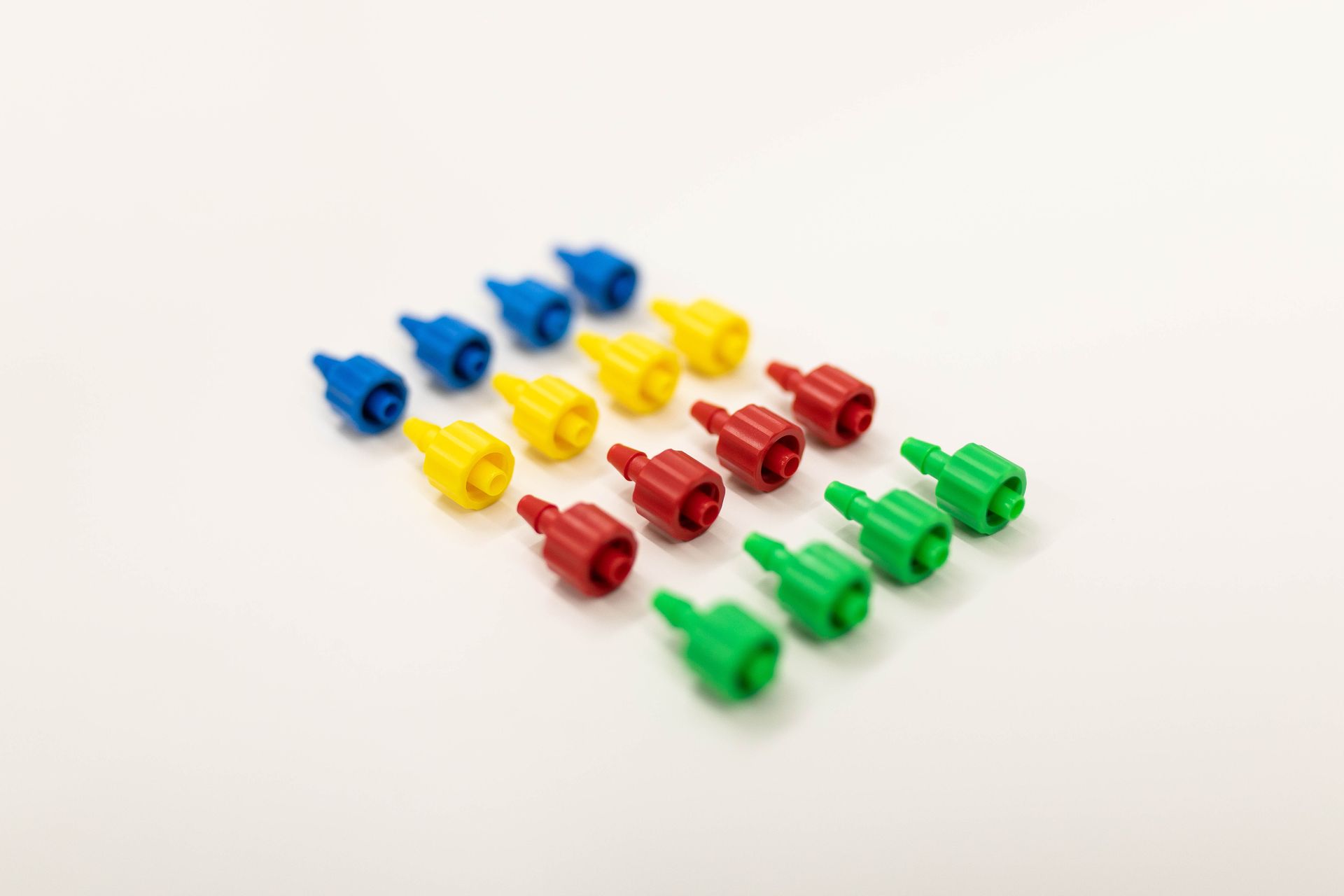
After the design and tooling approach have been established, the project can move toward injection molding production. Depending on the complexity of the component and the tooling involved, this stage may include initial sample parts, dimensional inspections, adjustments, and production planning.
The objective is to establish a repeatable process capable of manufacturing parts that meet the project's specifications.
What Happens During Production Preparation?
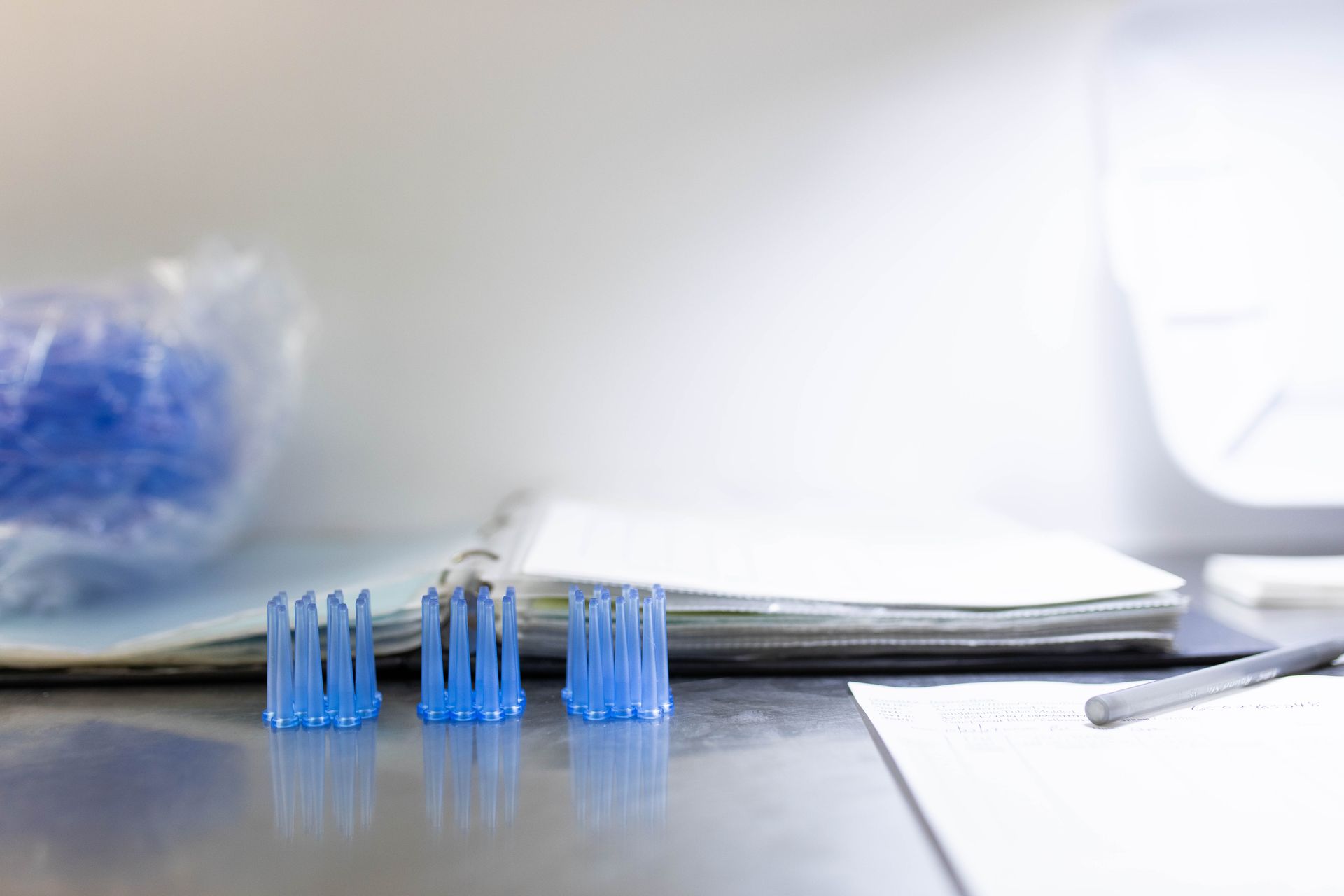
- Initial Molded Samples
Early molded components provide an opportunity to evaluate how the actual production material performs in the mold.
- Quality Evaluation
Parts may be checked for dimensional accuracy, appearance, fit, and other project-specific requirements.
- Process Adjustments
Manufacturing settings or tooling details may need refinement to achieve consistent results.
- Production Planning
Once the process is established, the manufacturer can coordinate production quantities, material requirements, and scheduling.
The exact process will vary based on the part, tooling, and application, but careful preparation helps establish a strong foundation for ongoing manufacturing.
6. Consider Your Production Quantities Early
One common misconception about plastic injection molding is that it only makes sense for companies manufacturing hundreds of thousands of parts. While injection molding is frequently used for high-volume manufacturing, smaller production runs can also be practical, depending on the design, tooling costs, and long-term needs of the project.
For businesses developing specialty products, medical components, replacement parts, or niche equipment, low-volume injection molding may offer a flexible manufacturing solution. Susquehanna Plastic Injection Molding specializes in small-run plastic manufacturing, working with customers who need custom components without the substantial minimum order quantities often required by larger manufacturers.
If you're unsure whether your anticipated production quantity is appropriate for injection molding, discussing your project with a manufacturer can help you evaluate the available options.
Related Reading: Low-Volume Plastic Injection Molding: When Does It Make Sense?
7. Avoid These Common Plastic Part Development Mistakes
Moving from an idea to a finished plastic component involves several decisions. Addressing potential problems early can help prevent delays and unnecessary expenses.
- Choosing Materials Without Considering the Application
A material that works well for one component may not be appropriate for another. Consider environmental conditions, performance requirements, and intended use before finalizing your resin selection. - Investing in Tooling Before Finalizing the Design
Changes to an injection mold can be costly. Evaluating prototypes and reviewing manufacturability before tooling begins can help reduce the need for later modifications. - Overlooking Production Quantities
Your expected order volume can affect material choices, tooling decisions, and overall project economics. Be realistic about your initial needs and potential future demand. - Failing to Communicate Critical Specifications
Dimensions, tolerances, material requirements, and functional expectations should be communicated as clearly as possible. Missing information can create challenges during production. - Waiting Too Long to Involve a Manufacturer
Consulting with an experienced injection molding company during the development process can help identify manufacturing considerations before they become expensive problems.
8. Work With an Experienced Plastic Injection Molding Partner
The transition from prototype to production is easier when you have a manufacturing partner who understands both product development and the practical requirements of injection molding. At Susquehanna Plastic Injection Molding, our team provides custom plastic manufacturing solutions for businesses throughout Pennsylvania and the Mid-Atlantic region.
Our capabilities include:
- Custom plastic injection molding
- Small-run and low-volume manufacturing
- Engineering and product development support
- 3D printing and prototyping capabilities
- Mold development and tooling support
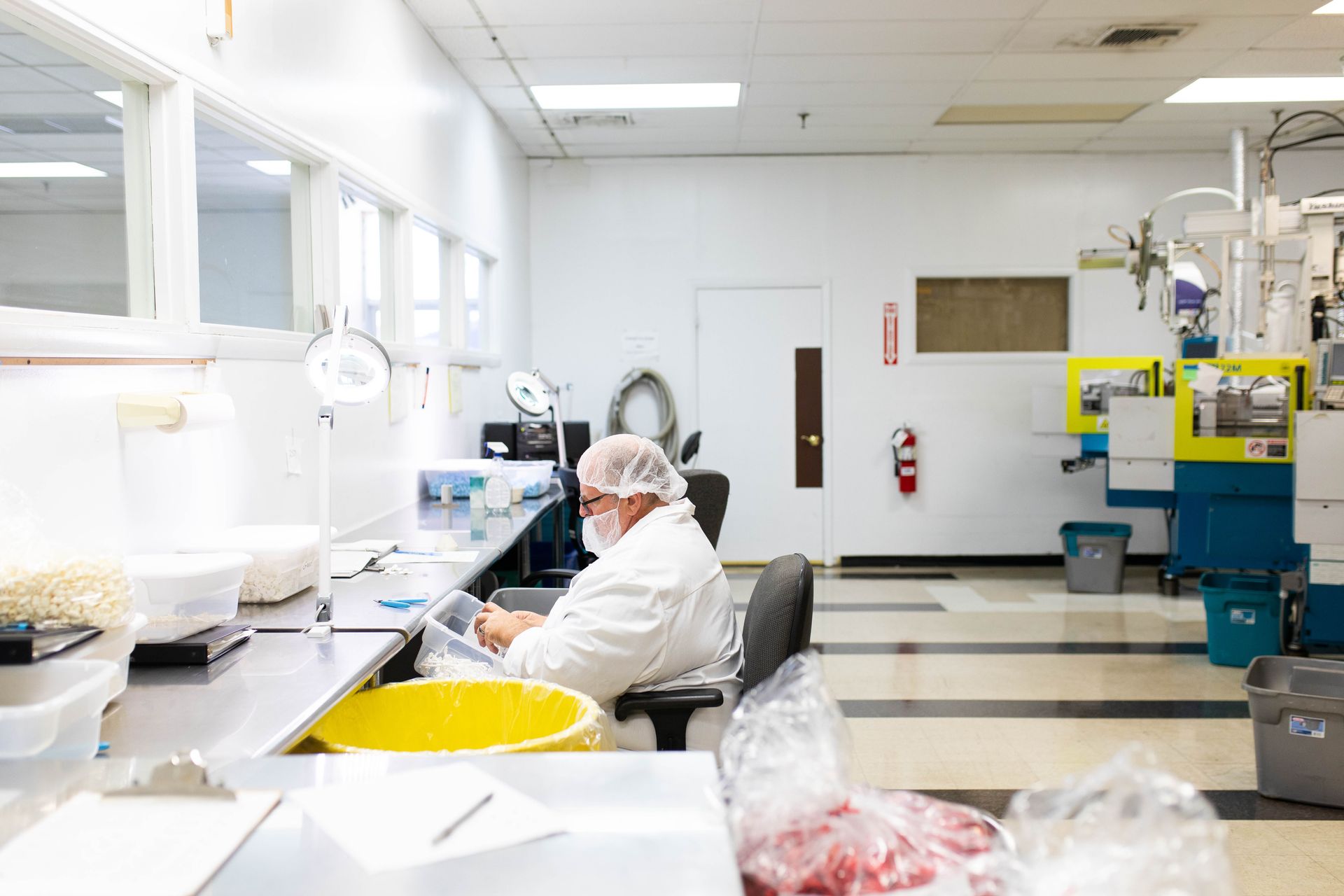
- Cleanroom injection molding for specialized applications
From our York, PA manufacturing facility, we work with businesses across medical, OEM, industrial, garment, military, and specialty product industries. Whether you're developing a new component or preparing an existing design for production, our team can help evaluate your manufacturing needs and discuss the next steps.
Frequently Asked Questions
About Plastic Injection Molding Prototyping
Do I need a CAD drawing to get started with plastic injection molding?
Not necessarily. While CAD files are helpful for evaluating a component and preparing for tooling, you maybe able to begin the conversation with a drawing, existing sample, or preliminary design. A manufacturer can help explain what additional information is needed before production.
Can a 3D-printed prototype be used for injection molding?
A 3D-printed prototype can help evaluate a part's shape, fit, and certain functional characteristics before injection molding. However, the prototype itself is not necessarily suitable for use as a production mold, and the final injection-molded component may behave differently.
How much does it cost to move a plastic part from prototype to production?
Costs depend on several factors, including part complexity, material selection, tooling requirements, and anticipated production quantities. A manufacturer can provide a more accurate estimate after reviewing your design and specifications.
How long does it take to develop an injection mold?
Tooling timelines vary depending on the complexity of the mold, design requirements, and manufacturing process. Simple components may require less development time than parts with intricate features or specialized requirements. Discussing your project early can help establish realistic expectations.
Is injection molding a good option for small production runs?
It can be. Although injection molding involves an initial tooling investment, it may be a practical option for smaller production quantities when consistent, repeatable plastic components are needed. The best approach depends on the part's design, required volume, and long-term production goals.
Ready to Bring Your Plastic Part to Life?
Whether you have a rough concept, a working prototype, or a completed design that's ready for manufacturing, Susquehanna Plastic Injection Molding can help you explore your production options. Our experienced team works with businesses to develop practical solutions for custom plastic components, with a focus on quality, flexibility, and personalized service.
Contact Susquehanna Plastic Injection Molding
today to discuss your project and request a quote!
Share Post
A Trusted Partner for Your Plastic Injection Molding Needs
If your business is looking for a reliable partner for custom plastic injection molding, Susquehanna Plastic Injection Molding is ready to help. From material selection and mold development to prototyping and full production, our team delivers precision, consistency, and personalized support at every stage.
Contact us today to discuss your next project. We proudly serve clients in Harrisburg, Lancaster, York, Mechanicsburg, and throughout Central Pennsylvania and the Mid-Atlantic region.